The Great Gingerbread House Debate: Should You Actually Eat Them?
Every December, gingerbread houses appear everywhere—from Pinterest-perfect holiday tables to shopping mall displays taller than toddlers. But behind the frosting shingles and candy-colored charm lies a surprisingly controversial question:
Should you actually eat a gingerbread house?
Some say yes—it’s a cookie, after all. Others insist it’s for display only. And many are secretly wondering how stale that thing really is by the time the holidays end.
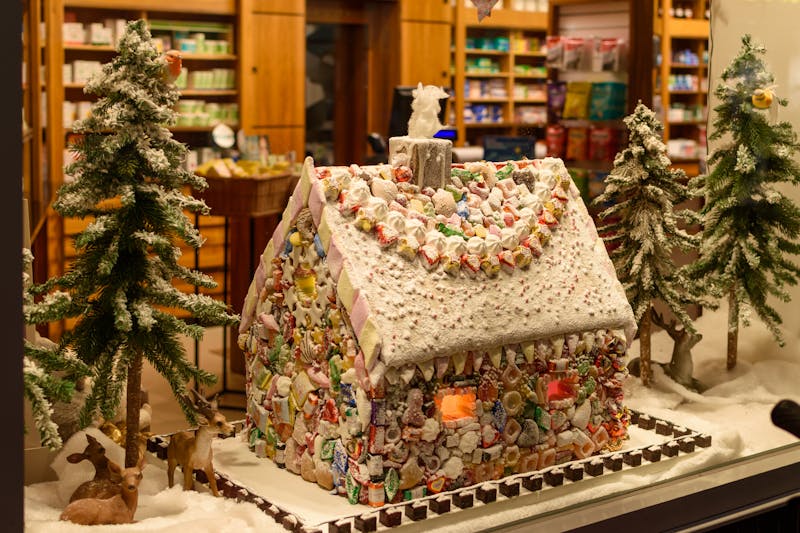
Here’s a deliciously practical breakdown of both sides of the debate.
The Case for Eating Gingerbread Houses
1. Gingerbread Is Technically Edible
The base ingredients—flour, butter, molasses, spices—are the same as any gingerbread cookie. If made fresh and stored properly, gingerbread is as safe as any holiday baked good.
2. Homemade Houses Are Usually Fresh Enough
If your house is made at home (or purchased as a freshly assembled kit), it’s often only a few days old. That means:
-
The cookie isn’t rock-hard yet
-
The icing is still crunchy but not break-your-teeth level
-
The candy is clean and safe to nibble
A cozy family tradition is breaking apart the house on New Year’s Day and eating the best bits.
3. It Reduces Waste
Edible decorations are more sustainable than plastic displays. Enjoying the gingerbread afterward means the effort and ingredients don’t go straight into the bin.
4. It’s Fun and Festive
Let’s be honest—smashing and sharing a gingerbread house is a joyful, slightly chaotic experience. It’s the holiday version of breaking a piñata.
The Case for Not Eating Gingerbread Houses
1. Display Houses Are Often Over-Baked (On Purpose)
Many bakers bake gingerbread for houses much longer than cookies so they’ll be sturdy. That means:
-
Harder texture
-
Drier dough
-
Slightly burnt edges
-
Less pleasant flavor
Great for architecture, not great for snacking.
2. They Sit Out for a Long Time
Most gingerbread houses are displayed for 2–4 weeks. Exposure to:
-
Dust
-
Pets
-
Curious fingers
-
Warm lights
-
Moisture
-
Stale air
…means the “yum factor” plummets quickly.
3. Candy Decorations Aren’t Always Fresh
Many candies used for decoration are:
-
Last year’s leftovers
-
Handled during decorating
-
Stuck on with royal icing that dries like cement
They may be edible, but they’re rarely enticing.
4. Kits Often Contain Preservatives
Store-bought kits are designed for structure, not taste. The gingerbread boards are typically:
-
Thicker
-
Less spiced
-
Made to last months
-
Coated to stay rigid
Technically safe, but hardly delicious.
So, Should You Eat a Gingerbread House?
Eat it if:
-
It’s homemade or freshly assembled
-
It’s been out for less than a week
-
The decorations are fresh, clean, and food-safe
-
You like crunchy gingerbread
Skip it if:
-
It’s been on display for weeks
-
It came from a long-lasting kit
-
It shows signs of moisture, cracking, or dust
-
Pets or small children were anywhere near it
-
The candy looks faded or sticky
Fun Alternatives If You Don’t Want to Eat It
You can still make the tradition waste-free and meaningful. Try:
-
Composting the gingerbread
-
Breaking it into crumbs for cheesecake bases (only if it’s fresh)
-
Using it as bird feed (no chocolate or artificial candy—plain gingerbread only)
-
Creating a second “edible version” just for snacking
-
Making a decorative house from cardboard or paper and saving the real cookies for eating
The Final Verdict
A gingerbread house is a piece of edible art. Whether you eat it or not depends entirely on how it was made and how long it’s been proudly standing on your table.
If it’s fresh and homemade, go for it.
If it’s weeks old and hard as a brick… maybe just admire it from a distance.
Either way, the tradition is worth savoring.